The most in-demand healthcare jobs in Australia span everything from nursing and general practice to allied health and specialist medicine, and many of these roles sit directly on Australia’s skilled occupation list. Your career in healthcare can be your fastest route to permanent residency. Here are the ten roles compiled by IMM Consults driving demand in 2026 and what you need to know before making your move.

Top 10 In-Demand Healthcare Jobs
1. Registered Nurses

Nursing is the most in-demand healthcare occupation in Australia. The country is facing a projected shortfall of tens of thousands of nurses over the next decade, driven by an ageing population, rising chronic disease rates and severe workforce gaps in regional areas.
For internationally trained nurses, the recognition pathway runs through the Australian Health Practitioner Regulation Agency and the Nursing and Midwifery Board of Australia. Once registered, nurses qualify for points-based skilled migration and multiple state nomination streams, making this one of the most PR-accessible careers in the country.
Salaries range from AUD 70,000 to AUD 95,000 annually, with regional placements attracting additional loadings that push total compensation considerably higher.
2. General Practitioners (GPs)

Rural and regional Australia is facing a serious GP shortage. Many communities have limited or no permanent doctor coverage, and the Australian government has introduced targeted incentives to attract internationally trained doctors to fill these gaps, including streamlined visa processing and additional migration points for regional placement commitments.
International medical graduates need to complete registration through the Medical Board of Australia, which may involve supervised practice periods depending on qualifications and country of training. Once registered, GPs qualify for both independent skilled migration and employer-sponsored pathways.
Salaries typically sit between AUD 180,000 and AUD 300,000 depending on practice type and location, making general practice one of the highest-compensated roles accessible through skilled migration.
3. Aged and Disability Support Workers

Australia’s aged care and disability sectors are under sustained and growing pressure. The National Disability Insurance Scheme has significantly expanded demand for qualified support workers across every state and territory
This is one of the most accessible entry points into the Australian healthcare labour market for internationally trained workers. Qualification recognition pathways are available through vocational education and training providers for candidates who need to align their credentials to Australian standards.
Salaries typically range from AUD 55,000 to AUD 75,000.
4. Mental Health Professionals

Demand for psychologists, psychiatrists, mental health nurses and counsellors has grown substantially in recent years, and consistent government investment in expanding mental health services has translated into strong and sustained employment demand at every level of the profession.
Psychologists register through the Psychology Board of Australia, whilst mental health nurses follow the standard nursing registration pathway with additional specialisation recognition.
Salaries for registered psychologists sit between AUD 85,000 and AUD 120,000, with clinical and forensic specialists earning considerably more.
5. Occupational Therapists

The National Disability Insurance Scheme has been the single biggest driver of occupational therapy demand in Australia, with community-based and private practice roles growing faster in recent years.
International occupational therapists must register through Occupational Therapy Australia and the Australian Health Practitioner Regulation Agency. The occupation features on multiple state nomination lists and performs consistently well within the points-based migration framework.
Salaries sit between AUD 75,000 and AUD 100,000, with private practice and NDIS-funded roles frequently offering above-award arrangements.
6. Physiotherapists
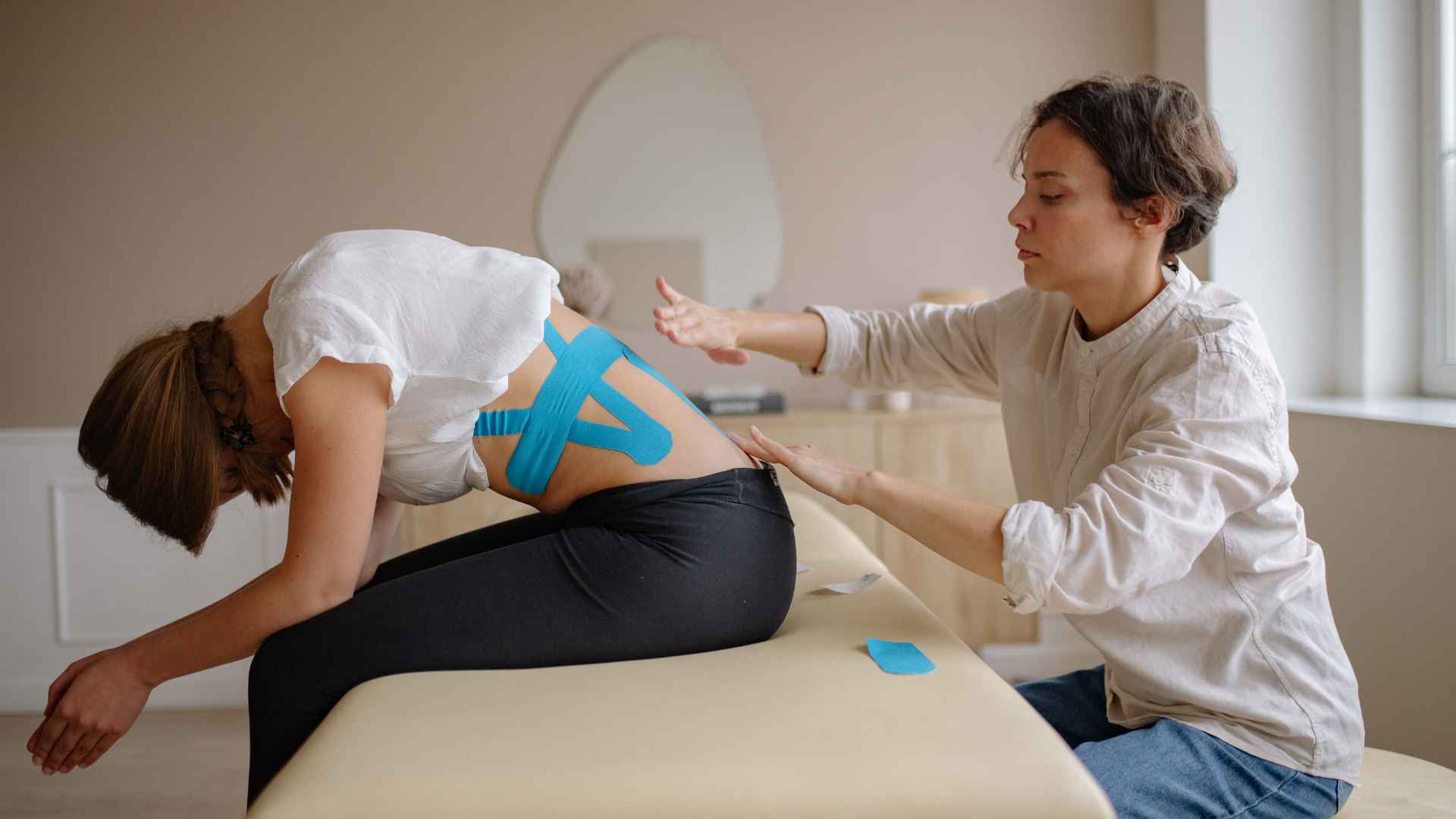
Physiotherapy demand is strong and growing across hospital, sports medicine, aged care and community rehabilitation settings. International physiotherapists must be assessed by the Australian Physiotherapy Council before registering with the Physiotherapy Board of Australia. The occupation features on the federal skilled occupation list and several state nomination streams, giving qualified candidates multiple immigration entry points.
Salaries range from AUD 75,000 to AUD 105,000, with senior and specialised roles in sports medicine and private practice regularly exceeding this range.
7. Medical Specialists Including Surgeons and Anaesthetists

Surgeons, anaesthetists, cardiologists and oncologists are among the most sought-after and highest-earning professionals in Australia’s healthcare system. International specialists must complete registration through both the Medical Board of Australia and the relevant specialist college in addition to standard medical registration requirements.
Salaries typically sit between AUD 300,000 and AUD.
8. Pharmacists

Pharmacists are in consistent demand across community, hospital and clinical settings throughout Australia, with regional and rural areas facing particularly acute shortages. International pharmacists must complete assessment through the Pharmacy Board of Australia and the Australian Pharmacy Council. The occupation qualifies for points-based skilled migration and features on multiple state nomination streams.
Salaries sit between AUD 80,000 and AUD 115,000, with clinical and hospital pharmacy roles and regional placements attracting stronger compensation packages.
9. Speech-Language Pathologists

Speech-language pathology faces a genuine and growing workforce shortage in Australia that spans paediatric, aged care, disability and acute hospital settings. International speech-language pathologists must be assessed by Speech Pathology Australia before applying for registration. The occupation features on the skilled occupation list and has shown growing representation in state nomination rounds in recent years.
Salaries range from AUD 70,000 to AUD 100,000, with private practice and NDIS-funded positions frequently offering above-award remuneration.
10. Medical Laboratory Technicians

Medical laboratory technicians and scientists are essential to the diagnostic capacity of Australia’s entire healthcare system, and the profession faces significant workforce shortages across pathology, microbiology, haematology and clinical chemistry settings. International medical laboratory scientists must be assessed by the Australian Institute of Medical and Clinical Scientists before applying for registration. The occupation qualifies for skilled migration and features on several state nomination streams, making it an accessible and often overlooked pathway for internationally trained laboratory professionals.
Salaries sit between AUD 65,000 and AUD 90,000 depending on specialisation, seniority and laboratory setting.
Which Healthcare Careers Have the Strongest PR Pathways to Australia?
Independent and State-Nominated Visas
These are points-based pathways that do not require employer sponsorship and are the most widely used routes for internationally trained healthcare professionals.
- Subclass 189 Skilled Independent Visa is a permanent residency visa with no employer or state sponsorship required. It suits healthcare professionals with strong points scores whose occupation appears on the Medium and Long-Term Strategic Skills List and who want the freedom to live and work anywhere in Australia without locational restrictions
- Subclass 190 Skilled Nominated Visa requires a state or territory government nomination in exchange for five additional points added to the applicant’s score. It covers a broader range of healthcare occupations than the 189 and is the preferred pathway for professionals whose base points score needs a boost
- Subclass 491 Skilled Work Regional Visa is a five-year provisional visa for healthcare workers willing to live and work in designated regional areas of Australia. Regional placements are particularly accessible for nurses, GPs and allied health professionals given the acute workforce demand outside metropolitan centres, with a clear transition to permanent residency through the Subclass 191 visa for those who meet the regional residency and work requirements
Employer-Sponsored Visas
For healthcare professionals who have secured or are actively pursuing Australian employment, employer-sponsored pathways offer a direct and increasingly popular route to both temporary work rights and permanent residency.
- Subclass 482 Temporary Skill in Demand Visa allows accredited Australian healthcare employers to sponsor overseas professionals for roles they cannot fill locally. For professionals in high-demand healthcare occupations, this visa can serve as a direct stepping stone to permanent residency
- Subclass 186 Employer Nomination Scheme Visa is a permanent residency visa for healthcare workers who have been nominated by an approved Australian employer. It is typically the natural progression for professionals who have been working in Australia on a 482 visa and have demonstrated their value to their employer over a defined period
Frequently Asked Questions
What healthcare jobs are in high demand in Australia?
Registered nurses, general practitioners, aged and disability support workers, mental health professionals and occupational therapists are consistently among the most in-demand healthcare roles across Australia.
Which jobs get PR easily in Australia?
Healthcare occupations are among the most accessible categories for permanent residency within Australia’s skilled migration system. Registered nurses, GPs, occupational therapists, physiotherapists and pharmacists all feature on the Medium and Long-Term Strategic Skills List and appear regularly in state nomination rounds. Regional placements offer additional points and accelerated pathways that make PR outcomes even more achievable for candidates willing to settle outside major cities.
Which medical courses have PR in Australia?
Qualifications in nursing, medicine, pharmacy, occupational therapy, physiotherapy, speech-language pathology and medical laboratory science all align with occupations on Australia’s skilled migration lists. Completing these qualifications at an Australian institution also provides access to the Temporary Graduate Visa, which offers post-study work rights and serves as a bridge between study and permanent residency through skilled migration pathways.
What jobs earn AUD 500,000 a year in Australia?
Specialist medical roles including surgeons, anaesthetists, cardiologists and oncologists are among the few occupations where total annual earnings can reach or exceed AUD 500,000.
Australia’s healthcare sector offers internationally trained professionals a strong combination of employment demand, competitive salaries and clear permanent residency pathways. Contact IMM Consult today to find out where your profile stands and what your most direct route to an Australian healthcare career looks like in 2026.