If you’re planning to migrate to australia from dubai, having the right documents ready is one of the most important steps in the application process. Missing paperwork, incomplete information or incorrect documentation can lead to delays and, in some cases, affect your visa application.
The exact documents you’ll need depend on your visa pathway and personal circumstances. However, most skilled migration applicants are required to provide a similar set of documents. This guide explains what you’ll need, why each document matters and how you can prepare your application with confidence.
What Identity Documents Will You Need?
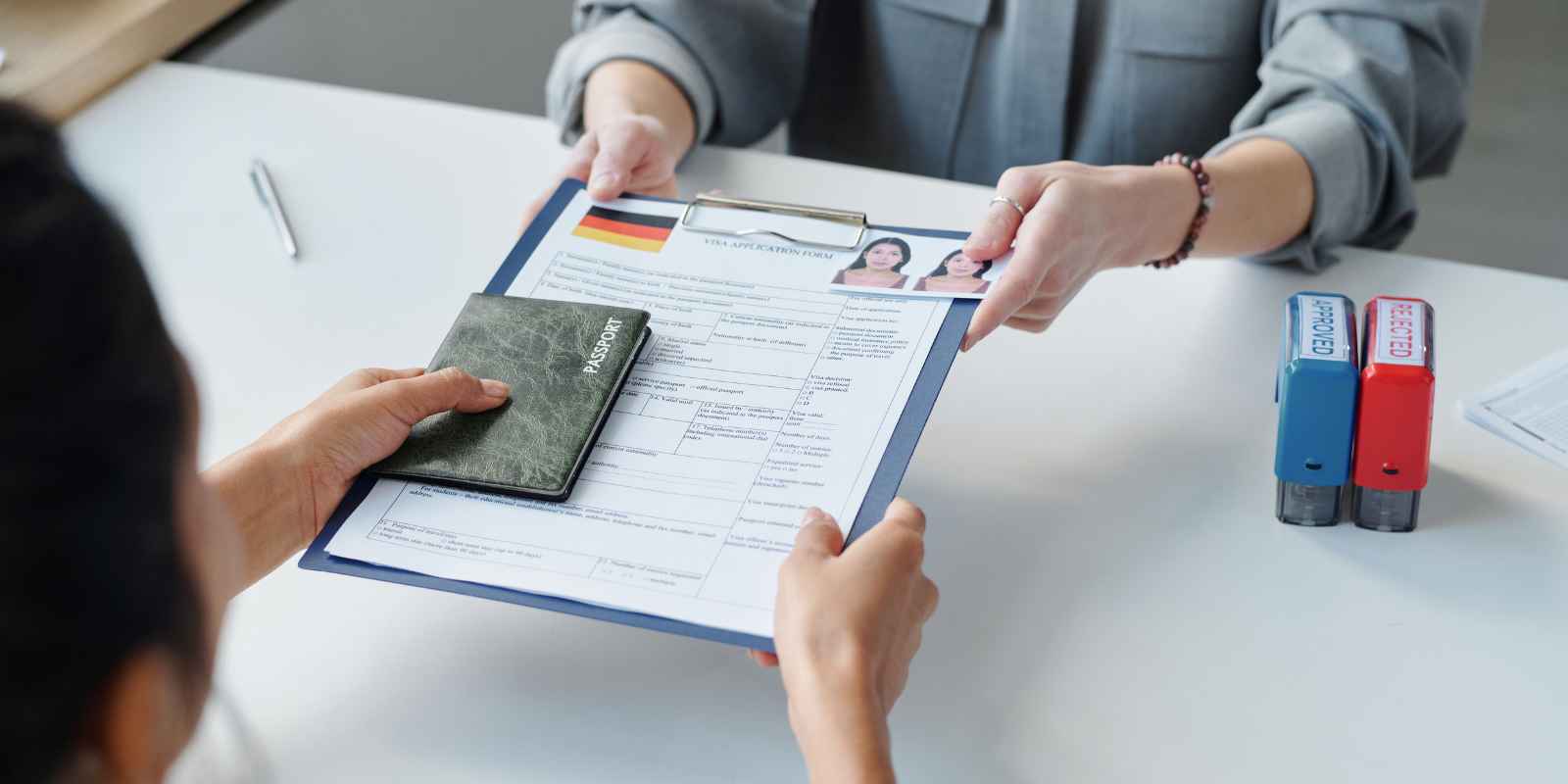
Every applicant must prove their identity.
Common identity documents include:
- Valid passport
- Birth certificate (where applicable)
- National identity card (if required)
- Passport-sized photographs (if requested)
- Marriage certificate or divorce documents (if applicable)
- Name change documents (if applicable)
Ensure your passport remains valid throughout your application process.
What Educational Documents Are Required?

Your qualifications play an important role in determining your eligibility for skilled migration.
You may need:
- Degree certificates
- Diploma or vocational qualifications
- Academic transcripts
- Professional licences or registrations
- Course completion certificates
Depending on your occupation, these documents may also be required for your skills assessment.
What Employment Documents Should You Prepare?

Your work experience must usually be supported by official documentation.
This may include:
- Employment reference letters
- Employment contracts
- Payslips
- Tax documents
- Promotion letters
- Employer certificates
- Curriculum Vitae (CV) or résumé
Employment references should clearly outline your job title, duties, employment dates and working hours where possible.
Do You Need a Skills Assessment?
Yes, for many skilled migration visas, a positive skills assessment is a key requirement.
A skills assessment confirms that your qualifications and work experience meet Australian standards for your nominated occupation.
Depending on your profession, you may need to submit:
- Educational qualifications
- Employment evidence
- Professional registration
- Licensing documents
- Additional supporting evidence requested by the assessing authority
Obtaining your skills assessment is often one of the first major steps before lodging an Expression of Interest.
What English Language Documents Will You Need?
Most skilled migration applicants must demonstrate English language proficiency.
Accepted evidence may include results from approved tests such as:
- IELTS
- PTE Academic
- TOEFL iBT
- OET (for eligible occupations)
- Cambridge English qualifications (where accepted)
Higher English scores may also increase your points under Australia’s skilled migration system.
What Health and Character Documents Are Required?
Australia requires many visa applicants to meet health and character requirements.
You may be asked to provide:
Health requirements
- Health examination results
- Medical reports (where required)
- Chest X-ray (if requested)
Character requirements
- Police clearance certificates
- Character declarations
These requirements help ensure applicants meet Australia’s immigration standards.
Do You Need Financial Documents?
Some applicants may also need financial evidence depending on their visa type or personal circumstances.
Examples include:
- Bank statements
- Proof of savings
- Financial sponsorship documents
- Income evidence
Providing organised financial documents can help support your application if requested.
Should Documents Be Certified or Translated?
Yes, if any of your documents are not in English, they generally need to be accompanied by an approved English translation.
In some situations, certified copies may also be required instead of original documents.
Before submitting your application, always check whether:
- Documents need certified copies
- Translations are required
- Documents must meet Australian immigration formatting requirements
Submitting the correct version of each document helps avoid unnecessary delays.
What Are the Most Common Document Mistakes?

Many skilled migration applications experience delays because of missing or incorrect documentation.
Common mistakes include:
- Expired passports
- Missing employment references
- Incorrect job descriptions
- Incomplete educational records
- Expired English test results
- Missing police clearance certificates
- Poor-quality scanned documents
- Inconsistent personal information across documents
Taking time to review your paperwork before submission can help prevent these issues.
Summary of the Essential Document Checklist
Before lodging your skilled migration application, make sure you have prepared:
- Valid passport
- Educational certificates and transcripts
- Skills assessment
- Employment reference letters
- English language test results
- Police clearance certificates
- Health examination documents (if requested)
- Financial documents (where applicable)
- Marriage or family documents (if applicable)
- Certified translations for non-English documents
Keeping both digital and physical copies of your documents can make the application process much easier.
Frequently Asked Questions
When should I start preparing my documents?
It’s best to begin collecting your documents as early as possible. Some documents, such as skills assessments and police clearance certificates, can take several weeks to obtain.
Do all documents need to be translated into English?
Yes. Documents issued in another language generally need to be translated into English by an approved translator before they can be submitted.
Can I submit my visa application if some documents are missing?
Submitting an incomplete application may lead to delays or requests for additional information. Preparing your documents in advance is strongly recommended.
How long should I keep my documents?
It’s a good idea to keep both digital and printed copies of all documents throughout your migration journey, even after your visa has been granted.
If you’re planning to migrate to Australia, IMM Consults can help you understand exactly which documents you’ll need, review your paperwork and guide you through every stage of your Australian skilled migration application.