
Canada’s work permit system offers skilled professionals a pathway to employment and eventual permanent residency. However, the process has become more selective in 2026, with stricter criteria around wages, locations and Labour Market Impact Assessments. Understanding how to navigate the Canada work permit visa application ensures you avoid delays and rejections. Whether you’re a healthcare professional, IT specialist or a businessman, here’s what you need to know to submit a successful application.
1. Understand Which Work Permit You Need
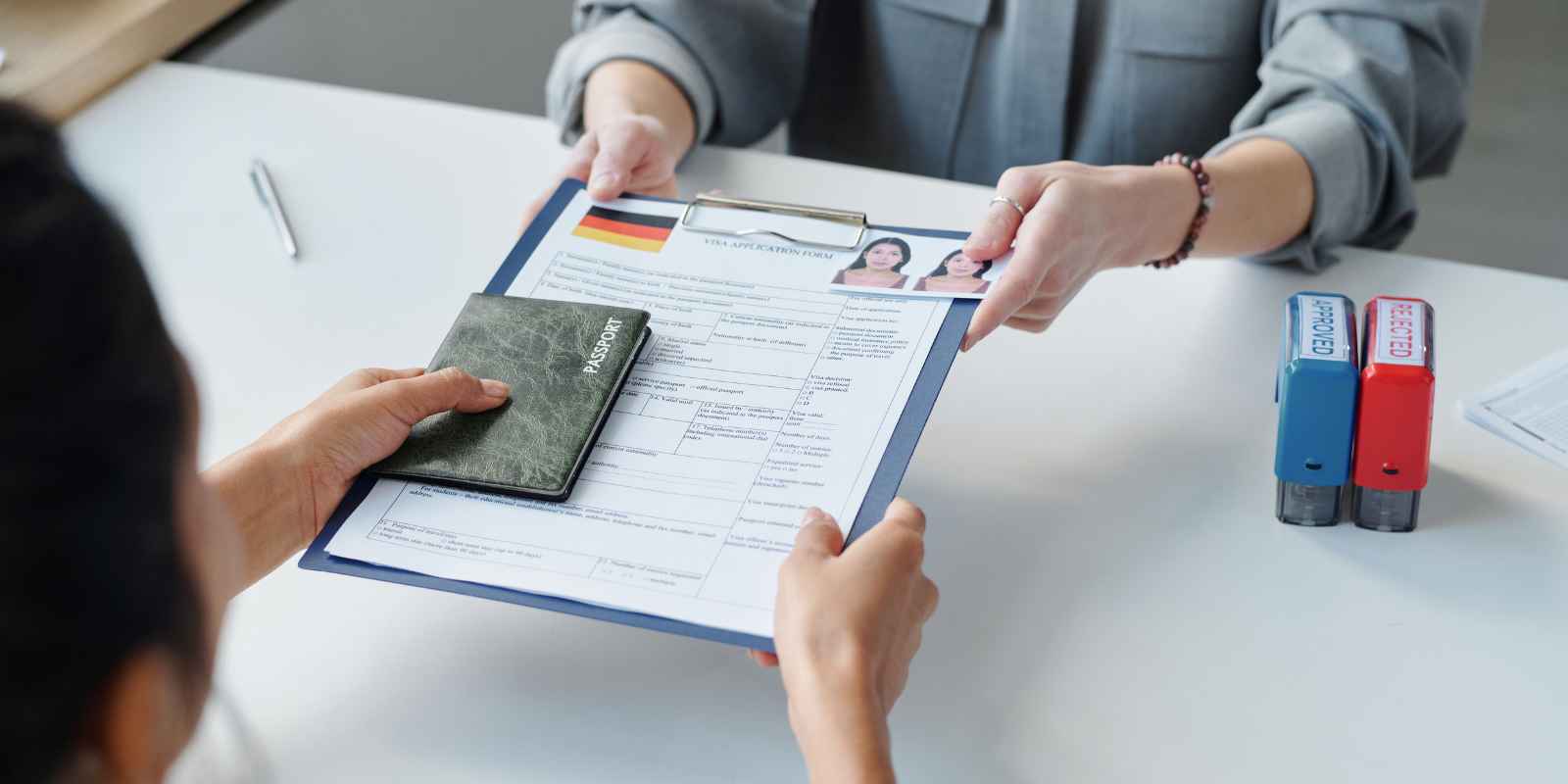
Canada offers two primary work permit categories, and choosing the correct one determines your entire application pathway.
- Employer-Specific Work Permits tie you to a single employer, job role and location. Most foreign workers apply under this category, which typically requires Labour Market Impact Assessment (LMIA) approval. Your employer must prove they genuinely tried to hire a Canadian citizen or permanent resident before offering you the position.
- Open Work Permits allow you to work for any Canadian employer without restrictions. These are available to specific groups, including spouses of skilled workers, international graduates from Canadian institutions and participants in the International Experience Canada (IEC) programme.
Knowing which permit suits your circumstances prevents application errors and ensures you meet the correct eligibility criteria from the start.
2. Secure a Valid Job Offer and LMIA
For most employer-specific permits, your Canadian employer must obtain a positive LMIA from Employment and Social Development Canada (ESDC). This assessment confirms that hiring you will not negatively impact the Canadian labour market.
In 2026, LMIA approvals face heightened scrutiny. Authorities now examine whether:
- The offered wage meets or exceeds the provincial median for that occupation
- The job location genuinely requires foreign workers
- The employer made sufficient efforts to recruit locally
LMIA processing can take several weeks or months, so employers must initiate this well before your intended start date. Some occupations and situations are LMIA-exempt, including intra-company transfers, CUSMA/CETA professionals and certain academic positions.
3. Complete Your Online Application Accurately

All work permit applications are submitted through Canada’s official Immigration, Refugees and Citizenship Canada (IRCC) portal. You will need to create an account and complete the appropriate forms:
- IMM 1295 for applications submitted from outside Canada
- IMM 5710 for applications from within Canada (if eligible)
Even minor mistakes in these forms can result in refusals or significant delays. Common errors include:
- Incorrect passport numbers or expiry dates
- Missing or incomplete work history
- Inconsistent information across documents
- Unsigned forms or missing declarations
Use IRCC’s official document checklist to verify you’ve included everything required. Double-check every field before submission, as many applications are rejected purely due to administrative errors.
4. Gather and Prepare Supporting Documents

Your application requires substantial documentation to prove your eligibility, qualifications and admissibility to Canada.
Essential documents include:
- Valid passport (must remain valid for at least six months beyond your intended stay)
- Job offer letter and signed employment contract
- Positive LMIA number or LMIA-exempt offer code
- Educational credentials (degrees, diplomas, transcripts)
- Professional certifications or licences (if applicable)
- Detailed CV showing relevant work experience
- Police clearance certificates from every country where you’ve lived for six months or longer since age 18
- Medical examination results (required for certain countries and occupations)
Translated documents require certified translations by accredited translators. Keep both original and translated versions organised and clearly labelled.
5. Understand Your Next Steps After Approval
Once approved, you’ll receive a Port of Entry Letter of Introduction. This is not your work permit, it’s an authorization to travel to Canada and receive your actual work permit at the port of entry.
Upon arrival, Canadian border officials will:
- Verify your documents and job offer details
- Confirm your medical exam and admissibility
- Issue your physical work permit with specific conditions
Review your work permit carefully. It specifies your employer, occupation, work location and validity period. Working outside these conditions violates your permit and can result in deportation.
Applying for a Canada work permit in 2026 demands attention to detail, complete documentation and strategic timing. At IMM Consult, we support skilled professionals from Sri Lanka and across the region through every stage of the Canadian work permit process, from securing LMIA approvals to final permit issuance. Contact us today for a personalised assessment and expert guidance on your Canadian work permit application.